How Much Should a Small Business Spend on Marketing?
How Much Should a Small Business Spend on Marketing? One of the most common questions small business owners ask is,…
Read More

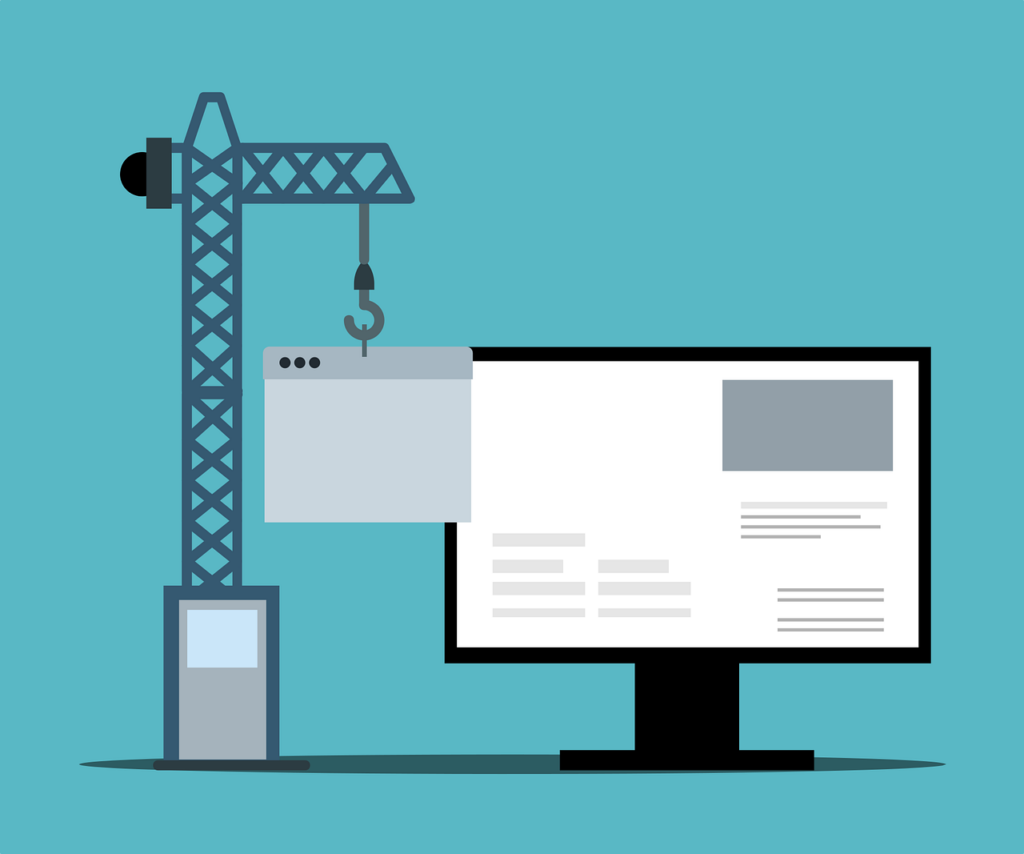
Your website doesn’t need to look brand new every year. It does, however, need to work. A website can be several years old and still perform extremely well. Another site may look relatively modern but frustrate visitors, load slowly, perform poorly on mobile devices, or fail to generate inquiries.
So how do you know when it’s time for a website redesign? The answer usually comes down to performance, usability, technology, branding, and whether the website still supports your business goals.
Here are some of the clearest warning signs.
Website speed isn’t simply a technical issue. It’s part of the customer experience. Google’s Core Web Vitals guidance evaluates three important aspects of web experience: loading performance, responsiveness, and visual stability. Google recommends a Largest Contentful Paint of 2.5 seconds or less, Interaction to Next Paint of 200 milliseconds or less, and a Cumulative Layout Shift score of 0.1 or less for a good experience. web.dev
Slow websites can be caused by:
Before assuming that an entire redesign is necessary, test the site’s performance. Sometimes technical optimization is enough.
But if the underlying website technology makes meaningful improvements difficult, rebuilding may ultimately be more efficient.
A business website needs to function just as well on a smartphone as it does on a desktop computer. That means more than simply shrinking everything to fit a smaller screen.
Visitors should be able to:
Google’s page experience documentation specifically encourages site owners to consider whether their content displays well on mobile devices and whether visitors can clearly access the main content. Google for Developers
If using your website on a phone feels like work, that’s a strong indication that something needs to change.
This is one of the most common reasons for a redesign. Businesses evolve and websites should too.
Maybe you’ve added services, stopped providing others, entered new markets, hired employees, changed your ideal customer, raised your positioning, or completely changed the way customers interact with you. If the website still represents the company you were five years ago, visitors may be getting the wrong impression.
Your website should accurately reflect:
A redesign doesn’t necessarily mean changing everything. Sometimes retaining recognizable elements while modernizing the presentation is preferable.
Cape & Plymouth’s brand identity services specifically address this issue for established businesses whose visual identity no longer matches their direction.
Open your homepage and pretend you’ve never heard of your business. Within a few seconds, can you answer:
What does this company do?
Who does it serve?
Where does it operate?
What should I do next?
If not, the website may have a messaging problem rather than purely a design problem. The Nielsen Norman Group’s longstanding web usability research shows that people tend to scan online content rather than carefully read every word. Their guidance emphasizes concise, easily scannable and objective web content. Nielsen Norman Group
Long introductions, vague slogans, complicated navigation, or pages that bury the important information can make an attractive website surprisingly difficult to use. Clear beats clever.
Appearance matters because your website represents your business before many customers ever speak to you. Signs of an outdated site can include:
An older design doesn’t automatically require rebuilding, but visual appearance should match the quality and professionalism customers can expect from the actual business.
If your physical location, vehicles, employees, services, and branding have all improved while your website hasn’t, the disconnect becomes noticeable.
Every important page should help visitors understand what to do next.
Depending on the business, that might mean:
If customers have to hunt for a phone number or navigate through several pages before contacting you, the site is adding unnecessary friction.
One example is Cape & Plymouth client Whealan Electric, an electrician in Plymouth and the South Shore. Its website clearly presents electrical services, service areas, emergency availability, and booking options so a visitor can move from researching the business to taking action without unnecessary searching. whealanelectric.com
That’s what a business website should do: make the customer’s next step obvious.
You shouldn’t need a developer to correct a phone number, update employee information, add a photograph, or publish basic content. Older websites often become difficult to manage because of outdated software, abandoned plugins, custom coding, or years of temporary fixes.
The result is predictable: nobody wants to update the site, so the information slowly becomes obsolete. A redesign can provide an opportunity to simplify the backend as well as improve what visitors see.
Consistency helps customers recognize and remember a company.
Your website shouldn’t feel unrelated to your:
Typography, imagery, colors, voice, and messaging should feel like parts of the same business.
If every marketing channel looks as though it was created by a different company, a website redesign can be an opportunity to establish a more consistent identity.
Sometimes the problem isn’t attracting visitors.
It’s converting them.
If people are reaching the website but rarely calling, submitting forms, making purchases, or booking appointments, examine the experience carefully.
Common problems include:
A redesign should not simply make the site prettier. It should make it easier for the right visitor to become a customer.
Sometimes gradual improvements are sufficient. Sometimes they aren’t.
The Nielsen Norman Group’s guidance on website redesigns recommends considering incremental improvements where possible, but notes that a larger overhaul can make sense when the technology is severely outdated or continued small fixes no longer produce meaningful improvement. Nielsen Norman Group
That is a useful way to think about redesigning. Don’t rebuild simply because a website has reached an arbitrary age. Rebuild when the existing site is preventing you from making the improvements the business actually needs.
Not every website with problems needs to be replaced.
You may only need:
A full redesign becomes more reasonable when several problems exist simultaneously or when the underlying website makes those improvements difficult. The goal shouldn’t be to have the newest website. The goal is to have a website that accurately represents your business and makes it easy for customers to choose you.
Your website doesn’t operate independently.
Potential customers may arrive there after seeing:
If those marketing efforts successfully generate interest but the website creates doubt, the business loses some of the value of everything that came before it.
That’s why website design should be considered part of the overall marketing strategy rather than simply an IT project.
Cape & Plymouth Marketing combines website development with social media marketing, brand identity development, SEO, content, newsletter marketing, and reputation building.
If your website is slow, difficult to use on a phone, outdated, hard to edit, inconsistent with your brand, or isn’t producing inquiries, it’s worth evaluating.
But don’t redesign simply for the sake of having something new. Start with the customer.
Can visitors quickly understand your business? Can they find the information they’re looking for? Does the website establish trust? Can they easily take the next step?
If the answer to several of those questions is no, it may be time for more than a few cosmetic changes.
Cape & Plymouth Marketing works with businesses throughout Cape Cod, Plymouth, the South Shore, and the South Coast on websites and broader marketing strategies designed around how customers actually find and evaluate local businesses. Explore Cape & Plymouth Marketing’s services or contact the team to discuss what your current website needs.
Quickly maximize timely deliverables for real-time schemas. Dramatically maintain clicks-and-mortar solutions without functional solutions.